
A cluttered wardrobe isn’t just a collection of clothes—it’s a daily challenge, a mental hurdle, and a reflection of our state of mind. In the hustle and bustle of modern life, it’s easy for our wardrobes to become overstuffed, overflowing with items that no longer serve us. This clutter not only costs us valuable time searching for things but also occupies precious mental space, adding unnecessary stress to our daily routines. Decluttering isn’t just about tidying up; it’s about reclaiming control, creating a sense of calm, and curating a wardrobe that truly reflects who we are and how we want to present ourselves to the world. In this guide, we’ll explore effective strategies to declutter your wardrobe in the UK, helping you regain control of your space and your mindset.
Prepare Your Mind To Let Go
Decluttering can seem daunting because our belongings often carry emotional attachments and memories (remind us of a certain time in our lives). These attachments can make it challenging to part with things we no longer need.
However, ask yourself honestly: How often do you use or appreciate these items? That dress you wore to a memorable event—when was the last time you took it out and reminisced? If it’s gathering dust at the back of your wardrobe, it may be time to acknowledge that its sentimental value doesn’t outweigh the mental clarity gained by letting it go. It’s important to recognise when these attachments no longer serve us positively. So, allow yourself to let go. It may be hard to let go of that precious piece but I promise once it’s gone, you won’t miss it.
The key mindset to adopt when decluttering is one of practicality and mindfulness. All that’s useful today will stay and we’ll release the rest of all.
Certainly! Here’s a section on how to approach the task of decluttering your wardrobe effectively:
Get Yourself to Work: Decluttering Your Wardrobe

Cleaning out your wardrobe can indeed feel like a daunting task as it is 4-5 hours on the project. To manage the overwhelm, consider using the Pomodoro Technique—a time management method that breaks tasks into intervals, typically 25 minutes long, separated by short breaks.
It's essential to keep yourself at ease while decluttering your wardrobe. Allocate separate sessions for clothes, shoes and jewellery boxes, ensuring you just have one category to work on each time. By breaking down the task into manageable segments, you'll find the process more efficient and less overwhelming.
You can also go with a systematic approach of going with one type of clothes at a time: sort through tops, leggings, dresses, and jackets, focusing on one type at a time. This not only helps maintain focus but also prevents decision fatigue. This way you can transform what seems like a monumental chore into a series of achievable tasks, leading to a more organised and visually appealing wardrobe. Now let’s move on to the process of decluttering your wardrobe.
How To Declutter Your Wardrobe UK
Step 1: Make Everything Visible
The first step to decluttering your wardrobe effectively is to make everything visible and accessible. Open up your wardrobe completely by taking out all items from the lower shelves or areas of your wardrobe that are less frequently used. Making everything visible not only simplifies the decluttering process but also provides a visual and psychological boost. Seeing your wardrobe in its entirety can be motivating, as it allows you to appreciate the progress you’re making and encourages you to continue.
Certainly! Here’s a structured approach to categorise your clothes into Use, Giveaway/Resell, and Discard categories, with specific guidelines on what to discard and what to keep:
Step 2: Categorise Your Clothes
When going for decluttering a wardrobe, it's essential to adopt a strict and impartial mindset, acting as a third-party observer to effectively categorise items into Use, Giveaway/Resell, and Discard. Here are the types of clothes that should be discarded from your wardrobe i.e they should go into the Giveaway or Discard category:
Clothes That Should Go:
- Not Worn in 90 Days: If you haven't worn an item in the past 90 days, it's likely not a staple in your wardrobe and can be considered for donation or resale.
- Fading or Damaged: Clothes that are fading, worn out, or damaged beyond repair should be discarded to free up space for items in better condition.
- Over/Undersized: Items that no longer fit properly due to weight changes should be considered for donation or resale to make room for clothes that fit well.
- Expensive Yet Unworn: Even if in good condition, if an item was expensive but hasn’t been worn due to style preferences or other reasons, it may be better off being resold or donated.
- Scarves/Accessories That Don’t Coordinate: Scarves or accessories that no longer complement your wardrobe or have no matching outfits should be donated or discarded.
- Skirts in Unflattering Colours: Skirts or other items in colours that don’t suit your complexion or personal style should be considered for donation.
- Orphaned Clothing Pieces: Clothes without a matching pair or that haven’t been worn in a while and have no current matching items in your wardrobe should be donated or discarded.
Clothes to Keep:
It's not that you should give up on 80% of your wardrobe, just keep high standards for clothes that are to stay. When deciding which pieces should stay with you, It’s crucial to prioritise versatility and functionality.
Retain pieces that can be easily mixed and matched to create various outfits suitable for different occasions. Also, you can hold onto your favourite and frequently worn items that fit well and make you feel comfortable, as these are likely to remain staples in your wardrobe. You can keep well-made garments that are durable and capable of withstanding regular wear, and certain items (only a few very close to your heart) that hold sentimental value and you wear them regularly or cherish them as they add a personal touch to your wardrobe and daily attire.
While you may end up with fewer items after this manoeuvre, each piece serves a purpose and complements your lifestyle, making it easier to shop for new additions that align with your established style preferences. This approach encourages mindful consumption and fosters a wardrobe that reflects your taste and needs effectively.
Step 3: Organise Your Wardrobe

Organising is just as crucial as decluttering. After categorising your clothes into Use, Giveaway/Resell, and Discard, the next step is to organise your wardrobe for a clean and efficient look:
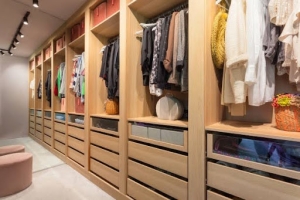
- Hangers and Wardrobe Organisers: Hang the clothes you’ve decided to keep on hangers and use wardrobe organisers such as bins, dividers, or drawer organisers. This helps maintain a tidy appearance and makes it easier to find and access your clothing. Arrange your clothes by type (e.g., tops, trousers, dresses) or by season to further streamline your wardrobe.
- Handling Discarded Clothes: For clothes designated for giveaway or donation, prepare separate bags or cartons for each category—giveaway and donation. As you continue decluttering, place the clothes directly into these containers side by side. This methodical approach ensures that you’re effectively clearing space in your wardrobe as you progress through the decluttering process.
By organising your kept clothes neatly and preparing discarded items for donation or resale in an orderly manner, you not only achieve a cleaner and more manageable wardrobe but also make the entire decluttering process more systematic and efficient.
Decluttering Shoes/ Accessories
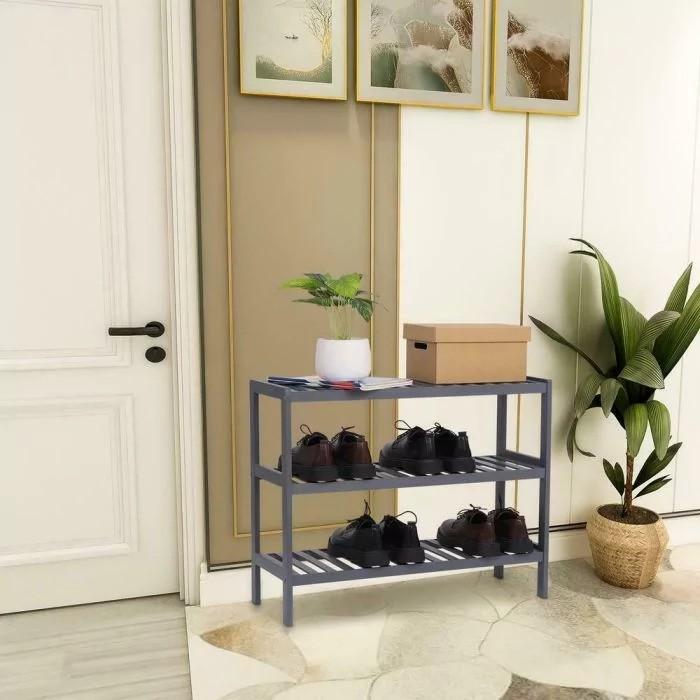
Decluttering shoes and accessories can indeed be a simpler task compared to tackling a full wardrobe, yet it’s equally important for maintaining an organised living space. Here’s a straightforward approach to decluttering shoes and accessories:
- Gather Everything in One Place: Start by collecting all your shoes and accessories from various storage areas—closets, shoe racks, drawers, etc. This step helps you see the full extent of what you own and makes it easier to assess each item individually.
- Evaluate Each Item: Take each pair of shoes and accessories one by one. Ask yourself:
- Do I still wear these shoes/accessories regularly?
- Are they comfortable and in good condition?
- Do they still match my current style and wardrobe?
- Sort into Categories: Divide your shoes and accessories into categories such as:
- Keep: Items you wear regularly and that are in good condition.
- Donate/Resell: Items that are in good condition but you no longer use or need.
- Discard Items that are worn out, damaged, or no longer wearable.
- Organise and Store: Once you’ve decided what to keep, organise your shoes and accessories in a way that makes sense to you. Use shoe racks, clear boxes, or drawer dividers to keep everything visible and easily accessible.
By following these steps, you can effectively declutter your shoes and accessories, creating a more organised and functional storage system that aligns with your current needs and style preferences.
My Tips On Decluttering

1. Separate Closet for Formal and Occasional Wear:
Consider dedicating separate areas within your wardrobe for formal wear, occasional outfits, and clothes suited for different seasons. I have a separate corner wardrobe in my side room where I keep these occasional wears. This division helps streamline your daily wear wardrobe organised and easily accessible.
2. Utilise Boxes, Hangers, and Bags:
Organise your clothes using a variety of storage solutions such as boxes, hangers, and bags. Often, clutter arises not from excess items but from disorganisation. Use clear boxes for accessories and seasonal items, hang frequently used clothes to maintain their shape, and use bags to store off-season garments neatly.
3. Group Similar Clothing Types Together:
Arrange your wardrobe by grouping similar types of clothing. Keep all your jeans in one section, shirts in another, dresses in a separate area, and so on. This method allows you to quickly assess how much of each category you have and makes it easier to find specific items when getting dressed.
By implementing these tips, you can effectively declutter and organise your wardrobe, creating a more functional and visually appealing space that aligns with your lifestyle and dressing habits.