
Fabric furniture adds comfort and style to our homes, but it can also attract dirt, stains, and dust easily. Over time, this can lead to unsightly marks and unpleasant odours, causing embarrassment when guests visit. Whether you have armchairs, sofas, couches, lounges, or chairs, maintaining their appearance is essential. Our comprehensive guide on how to clean fabric chairs and other upholstery will help you restore your furniture's beauty and keep it looking its best.
Choose Your Cleaning Agent
The first and most important step in learning how to clean fabric chairs is to select the right cleaning agent. Before you start, it’s crucial to determine whether your furniture can be cleaned with water or if it requires a different approach. Some fabrics can develop unsightly water stains, so caution is key.
To understand how to proceed, check the manufacturer’s tag on your furniture. It often contains a code that indicates the best cleaning method:
- W: This means the fabric can be cleaned with water. You can safely use a mild detergent mixed with water for cleaning.
- S: This indicates that a solvent cleaner should be used instead of water. Solvent cleaners are typically dry-cleaning solutions that can effectively remove stains without damaging the fabric.
- S/W: If you see this, it means you can use either water or a solvent cleaner, giving you more flexibility in choosing your cleaning method.
- X: This means that the fabric should only be vacuumed or brushed and not cleaned with any liquid, as moisture can damage it.
Knowing what type of cleaner to use is essential to avoid any mishaps. For instance, water cleaners (those marked with a "W") are great for most washable fabrics, like cotton or polyester. However, delicate materials like silk or velvet often require solvent cleaners (marked with an "S") to prevent damage.
You have to choose the right cleaner to effectively clean upholstered chairs and maintain their beauty. idea by Clean That Up)
Check the Feasibility of The Cleaner:
To check the feasibility of your cleaner on fabric furniture, start by locating the care tag, usually found under the seat or on the back. Identify the cleaning code (W, S, S/W, X) to determine the appropriate cleaning method. Next, perform a patch test by selecting a hidden area of the fabric and applying a small amount of the cleaner (water or solvent) with a damp cloth. Wait a few minutes to observe any discoloration or damage. If the fabric looks good after the test, you can confidently clean the entire surface. However, if you notice any negative reactions, discontinue use of that cleaner immediately to protect your upholstery.
Water-Based Cleaning Solutions
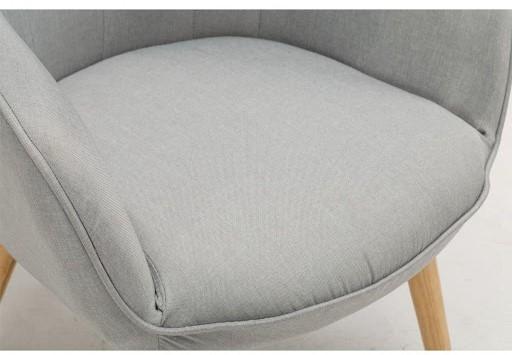
Water-based cleaning solutions are ideal for fabrics that are resilient and can withstand moisture, such as cotton, polyester, and some blends. These materials typically respond well to water, allowing for effective cleaning without causing damage. However, more delicate fabrics, like silk or linen, may not be suitable for this method, as they can be easily stained or warped by excessive moisture. Always ensure to check the manufacturer’s care tag for specific cleaning instructions before proceeding.
Required Items for Cleaning
- Vacuum cleaner with upholstery attachment
- 1 cup of water
- 1 cup of rubbing alcohol
- A few drops of dish soap
- Spray bottle
- Soft bristle brush
- Towel for drying
- Sofa cleaner machine (optional)
Step-by-Step Cleaning Procedure
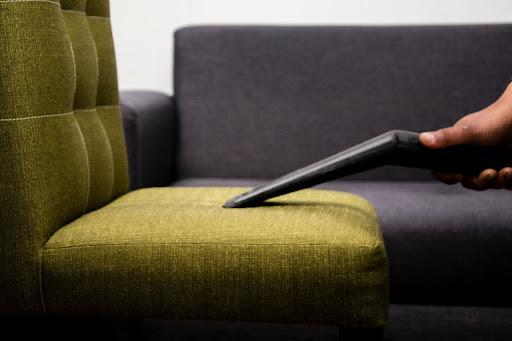
- Start by Vacuuming: Begin by vacuuming your upholstered sofa or chair to remove any loose dirt, dust, or debris. Use the upholstery attachment for best results, ensuring you get into the crevices.
- Prepare the Cleaning Solution: In a spray bottle, mix 1 cup of water, 1 cup of rubbing alcohol, and a few drops of dish soap. This solution will effectively clean your fabric without soaking it too much.
- Application Method:
- For resilient surfaces like cotton and polyester, you can spray the solution directly onto the fabric, ensuring an even coverage.
- For more delicate materials, it's better to dampen a cloth with the solution, removing excess liquid, and then gently rub it on the fabric. This helps control the amount of solution applied and prevents the fabric from becoming overly saturated.
Note: Be cautious not to apply too much solution or pour it directly onto the surface, as this can lead to water stains and damage the fabric fibres.
- Using a soft bristle brush, scrub the fabric gently to avoid disturbing the fibres. This will help lift any embedded dirt without causing damage.
- If available, clean the surface using a sofa cleaner machine equipped with an upholstery attachment filled with water. This will effectively extract any detergent residue from the fabric. Alternatively, you can spray warm water onto the fabric to help lift the solution, followed by using the vacuum feature to remove the moisture and detergent.
- If you don’t have a sofa cleaner machine, after spraying warm water, use a towel to thoroughly wipe down the fabric, ensuring all soap residue is removed. Then, air the surface in a shaded area of your yard or prop it up under a fan to facilitate quick drying. Ensuring the fabric dries promptly helps prevent any mildew or unpleasant odours from developing.
Smart Alternative: Multi-Purpose Foam Cleaners
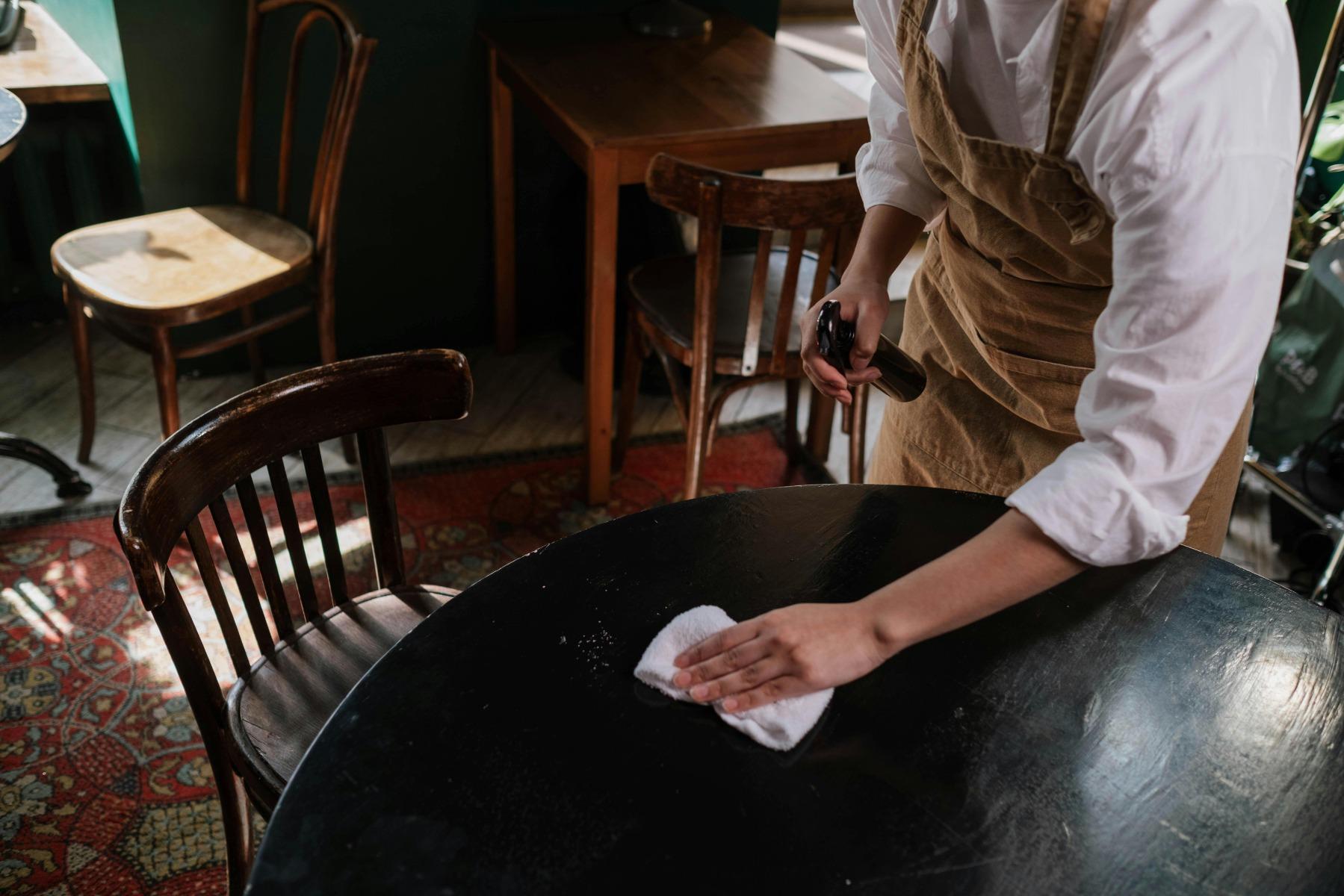
If you want to save time while achieving a deep clean for your upholstered furniture, multi-purpose foam cleaners are an excellent option. These cleaners work by releasing a foamy substance that clings to the fabric, allowing it to penetrate and break down dirt, stains, and grime. They are particularly effective on tough stains such as food spills, pet messes, and general soiling. Well-known brands like Folex, Bissell, and Zep offer reliable multi-purpose foam cleaners that can tackle a range of cleaning challenges.
How to Use It:
To use a multi-purpose foam cleaner, start by spraying a generous amount onto the soiled surface. Allow it to sit for about a minute, giving the foam time to lift dirt and stains. Afterward, use a microfiber brush to scrub the area gently, ensuring that the foam works into the fabric without damaging the fibres. Next, clean the area thoroughly with a fresh towel, which can be kept damp under running water or in a bucket to aid in removing any remaining dirt and foam residue.
Always refer to the specific brand’s guide for cleaning instructions or contact your retailer, as they can provide tailored advice for your furniture type. This method not only simplifies the cleaning process but also ensures your fabric stays fresh and looks its best.
But What if a Liquid Spills on the Sofa?
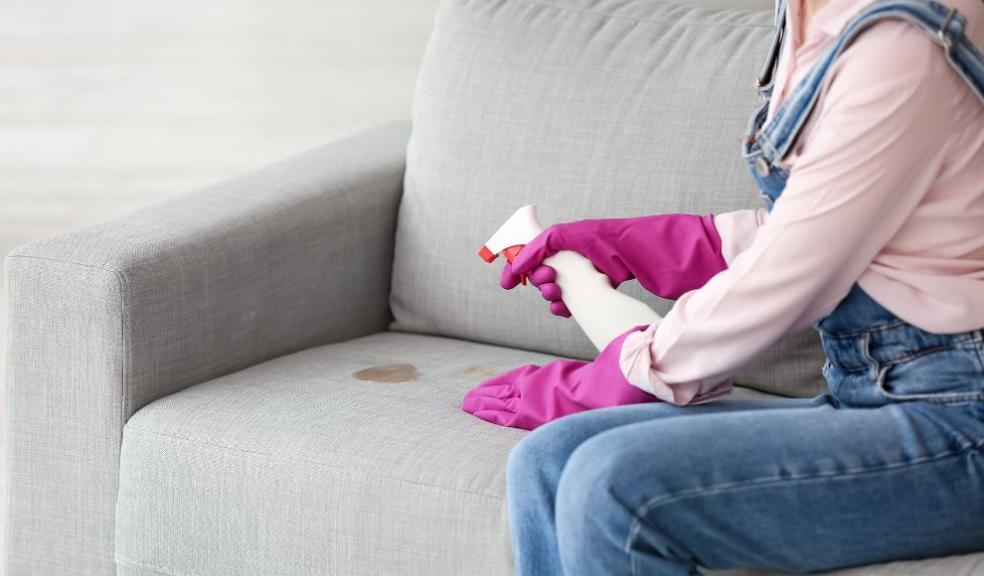
In the unfortunate event that a liquid spills on your upholstered dining chair or sofa—whether it’s juice from a kid's snack or an accident from a pet—it’s important to act quickly to minimise absorption and eliminate any unpleasant smells. Here’s a detailed guide on how to clean up liquid spills effectively using safe methods for your upholstery.
Things to Have
- Clean towels or absorbent cloths
- Bowl for mixing solutions
- White vinegar
- Baking soda
- Hydrogen peroxide
- Liquid detergent
- Gloves for protection
- Sofa cleaner machine with upholstery attachment (optional)
Cleaning Procedure
- As soon as the spill occurs, quickly use a clean towel to blot the area. This will help minimise absorption into the fabric.
- In a bowl, mix equal parts of water and white vinegar. Make enough solutions to cover the affected area.
Pour the vinegar solution onto the stained upholstery, allowing it to soak in completely. Let it sit for about 15 minutes to break down the stain and neutralise any odours.
- After 15 minutes, use a clean towel to soak up the excess vinegar solution.
- Generously cover the damp area with baking soda. Baking soda helps absorb moisture and odours. Rub it gently into the fabric to ensure it penetrates.
In another bowl, mix ¼ cup of hydrogen peroxide with about 1 teaspoon of liquid detergent. This powerful combo works together to lift stains and further eliminate smells.
- Wearing gloves, apply the hydrogen peroxide solution to the baking soda-covered area. Gently rub and massage the mixture into the fabric to ensure it reaches the core of the upholstery.Allow the mixture to sit for another 15 minutes, giving it time to work.
- Use a damp towel with warm water to absorb the mixture from the chair or sofa. Keep rinsing the towel in separate water to maintain optimal absorption. Alternatively, for the best results, use a sofa cleaner with an upholstery attachment filled with water
- Once cleaning is complete, let the fabric air dry in a shaded area, preferably under a fan. Avoid direct sunlight, as it can fade the colour of your upholstery.
Caution: Before applying these solutions, test them on a hidden area of your armchair to ensure they won’t cause discoloration or wear. If you notice any adverse effects, refer to your furniture’s cleaning instructions or consult a professional cleaner. By using these methods, you can effectively clean upholstery and keep it looking fresh, even after an accident!
How Often Should You Clean Your Upholstered Furniture?
Regular cleaning of your upholstered furniture is essential for maintaining its appearance and prolonging its lifespan. The frequency of cleaning can vary based on the type of fabric, the amount of use, and the presence of pets or children. Here’s a breakdown of shallow and deep cleaning durations for different types of upholstered chairs, sofas, and other furniture.
Shallow Cleaning: For most fabrics like polyester or cotton blends, a quick vacuum to remove dust and debris should be done weekly or bi-weekly. This simple task helps prevent dirt from settling into the fibres. For light stains, a gentle spot clean using a cloth chair cleaner can be done monthly.
For fabrics like linen or microfiber, shallow cleaning is advisable every three to six months. This includes vacuuming and spot treating any noticeable stains to keep the upholstery looking fresh.
Likewise, upholstered chairs made from more delicate fabrics, such as silk or velvet, should undergo deep cleaning approximately every six months to a year. This can involve using professional cleaning services or employing yourself for a weekend.
Yearly Cleaning: For high-traffic areas or furniture exposed to pets and children, consider deep cleaning annually. This includes using steam cleaning or dry cleaning methods that are safe for the fabric type, especially if the furniture is made from natural fibres or is more susceptible to staining.
Regular maintenance not only enhances its appearance but also contributes to a healthier living environment, ensuring that your chairs, delicate sofas, fabric footsools and all upholstered furniture remain comfortable and inviting for years to come.