When it comes to helping our dogs navigate their environment, especially as they age or if they have mobility issues, two popular options often come to mind: dog stairs and dog ramps. Both have their advantages and disadvantages, and the best choice will depend on your dog's specific needs, home setup, and personal preference. Let’s dive into the details of each to help you decide which might be the best fit for your furry friend.
Dog Stairs
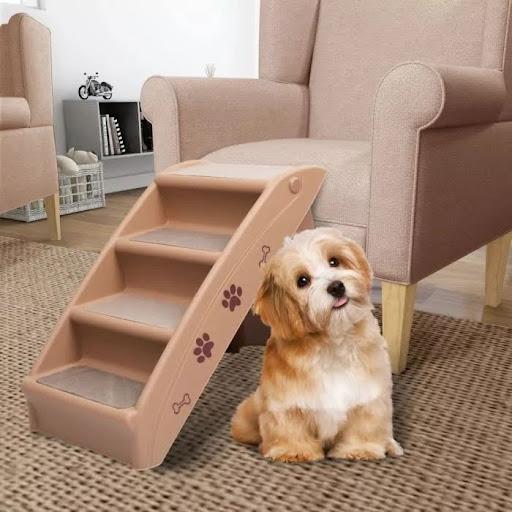
Stair steps for dogs are compact structures with multiple steps designed to allow your pet to climb up or down to reach higher surfaces, such as beds, couches, or vehicles. They come in various sizes, heights, and materials, making it easy to find a set that fits your dog's size and your home’s décor. Many pet owners specifically look for dog stairs for bed to help their furry friends reach their favourite sleeping spots.
Pros:
- Space-Saving: Stairs take up less floor space than ramps, making them a great option for smaller homes or apartments.
- Easier to Store: Many dog stairs collapsible options are lightweight and can be easily moved or stored when not in use.
- Training Opportunities: Using step stairs for dogs can help reinforce your dog’s agility and confidence in navigating different heights.
Cons:
- Steeper Incline: Some dogs may find stairs intimidating, especially older dogs with joint issues or those that are physically challenged.
- Not Suitable for All Dogs: Larger breeds may find traditional stairs too small or unstable, leading to potential accidents.
Dog Ramp
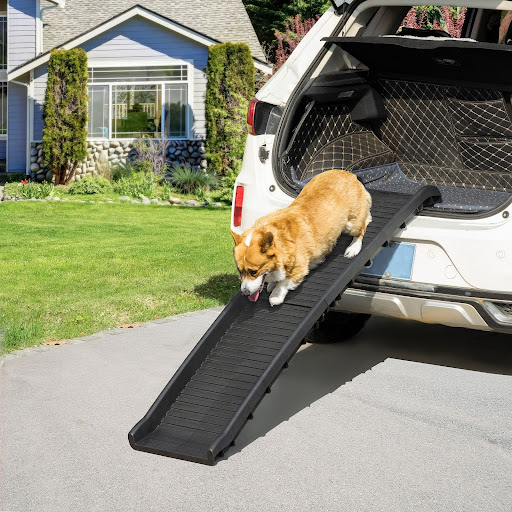
A ramp for dogs is a sloped surface that provides a gradual incline, allowing dogs to walk up or down without needing to climb stairs. They are particularly beneficial for older dogs or those recovering from surgery. Dog ramp stairs can be a great solution for reaching elevated areas safely.

Pros:
- Gentler on Joints: Ramps offer a smooth, gradual incline that’s easier on your dog’s joints and muscles, making them ideal for senior dogs or those with mobility issues.
- Versatile Usage: Ramps can be used for cars, beds, and other elevated areas, making them a multi-purpose tool. For instance, the Halfords dog ramp is known for its sturdy build and reliability.
- Stability: Many ramps have non-slip surfaces, providing a safer option for dogs that may struggle with balance.
Cons:
- Space Requirements: Ramps can take up more space than stairs, which might be an issue in smaller living areas.
- Weight: Some ramps can be heavy or cumbersome to move around, especially if they are built for larger breeds.
- Training May Be Needed: Some dogs may need encouragement to use a ramp, as it may not be as intuitive as stairs for them.
Dog Ramp or Dog Stairs: Which One Should You Choose
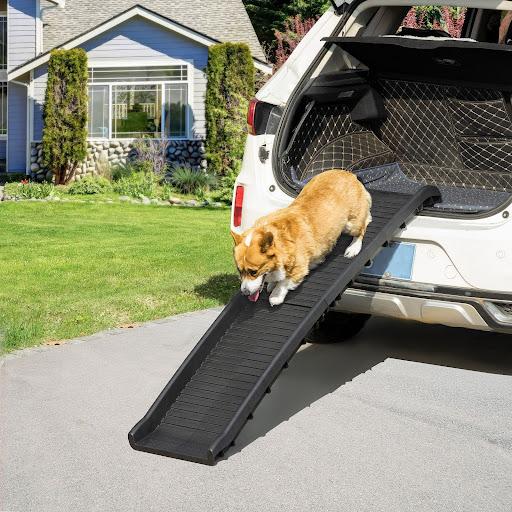
When deciding between a dog ramp and dog stairs, several factors come into play, including your dog's size, age, health, and the specific environment. Dog ramps are generally better for older dogs or those with mobility issues, as they provide a gentle incline that's easier on joints and reduce the risk of injury when climbing or descending. Ramps are particularly useful for larger breeds or dogs recovering from surgery, as they minimise stress on their bodies. On the other hand, dog stairs can be more space-efficient and are ideal for smaller breeds or younger, agile dogs that are comfortable jumping up and down. Stairs may be more suitable for furniture with lower heights, while ramps work well for higher surfaces like SUVs or beds. Ultimately, the best choice depends on your dog's individual needs and the specific circumstances, such as the location where the ramp or stairs will be used.
What’s Better Mobility Solution for Dachshund Dogs
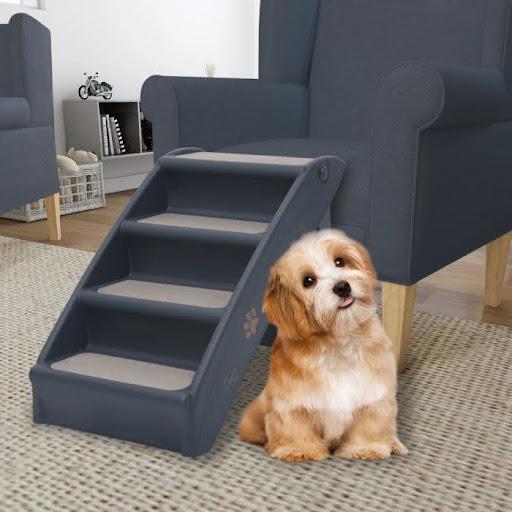
Dachshunds, affectionately known as “wiener dogs,” are small and their size also influences their mobility. On average, Dachshunds stand about 8 to 9 inches tall at the shoulder. Their short legs are designed for burrowing and digging but can pose challenges when it comes to climbing stairs or ramps.
For Dachshunds that are healthy and have no back or joint issues, dog stairs can be a great option. Their short legs may struggle with the incline of a ramp, which can be steeper than it appears. Climbing stairs, especially if started when they are puppies, helps build strength and confidence. Stairs can provide easier access to furniture and vehicles without excessive strain. Additionally, the steps can be designed to be lower in height, making it easier for them to reach their favourite spots without the exhausting climb of a ramp.
However, if your Dachshund has any back or joint issues, or if they are ageing, a dog ramp is the better choice. The smooth incline of a ramp minimises the strain on their joints and reduces the risk of injury. The gradual slope makes it easier for them to reach elevated areas without becoming fatigued, especially for dogs that might have trouble with their back legs.
Bottom Line: If your pup is young and healthy, starting with stairs can help develop their agility and strength. However, for older dogs or those with joint issues, a ramp is essential to prevent injury and promote a healthier, more comfortable lifestyle.
Key Considerations
Your Dog's Size and Breed: While choosing dog’s furniture , particularly ramps, know that larger dogs may prefer a sturdy ramp, while smaller breeds, like Dachshunds, might find a dachshund stair ramp more manageable. Consider your dog's breed and physical characteristics when making your choice.
Health and Mobility: If your dog has arthritis, hip dysplasia, or any other mobility issues, a ramp might be the better option. For younger, active dogs, stairs could provide a fun way to exercise and explore.
Home Environment: Consider your living space. If you have limited room, stairs may be more practical. On the other hand, if you have multiple elevated surfaces to navigate, a ramp might be more versatile.
Personal Preference: Finally, observe your dog’s behaviour. Some dogs might take to a ramp naturally, while others may prefer the challenge of stairs. It can be helpful to introduce both options gradually to see which one your dog prefers.
Conclusion
Choosing between dog stairs and a dog ramp ultimately depends on your dog’s unique needs, your home environment, and personal preference. Both options, including pet stairs and dog ramp stairs, offer valuable solutions to help your dog safely navigate their surroundings. Regardless of your choice, ensuring your furry friend can move comfortably and safely will contribute to their overall happiness and well-being.
If you’re still unsure, consider consulting with your veterinarian or a pet mobility specialist for personalised advice. Your dog’s comfort and safety should always come first!